


News

The hidden costs: Why data center sustainability fails without operational discipline

Gordon Johnson, Subzero Engineering

Gordon Johnson is senior CFD manager at Subzero Engineering

How prioritizing the small things with sustained investment and follow-through can help to pave the way to achieving true data center sustainability goals

Even the most efficiently designed modern facilities experience energy loss in small, often invisible ways. Individually, these losses are insignificant and rarely worth writing in a sustainability report. Headline initiatives may be about the major strategic shifts, but the uncomfortable truth is that data center sustainability is not about the big transformation; it is about the follow-through.

For boards overseeing data center investments, sustainability conversations tend to gravitate to the initiatives that are easier to present and promote: capital projects with clear before-and-after metrics, declarations and commitments to renewable energy, and efficiency targets. But they are not where most of the avoidable costs lie.

The bigger financial exposure is often in the less glamorous, less visible details: the ongoing operational discipline required to keep a data center efficient after it’s been built. Without it, even a well-designed, well-capitalized facility will bleed money, unevidenced as a single line item that anyone can point a finger at.

This is a different kind of risk than a cost overrun or an outage. It doesn’t announce itself. It accumulates.

Risk profiles

Capital initiatives: Replacing aging cooling infrastructure and redesigning airflow containment are conspicuous, fundable, and accountable initiatives. These go through a capital approval process, have a defined ROI case, and produce a measurable result. Organization is generally good at executing this kind of work because it fits existing governance structures.

Operational discipline: The continuous, dull work of maintaining what’s already been built does not have an approval gate. There often isn’t an obvious accountable owner, and, without a dramatic failure that forces it onto the agenda, it is most likely to be underfunded and under-governed. But it can represent a comparable share of total energy waste.

Where the losses lie

Physical waste: While small gaps around rails, floor tiles, and rack openings may not cause immediate problems, over time they add up to significant wasted energy.

There’s no failing equipment, so no incident report gets filed. However, left unmanaged, this energy waste can compound, forcing cooling systems to work harder for the same output. This is easy to deprioritize, but expensive to ignore.

Strategic waste: Strategic inefficiencies exacerbate the physical ones. Zombie servers draw power without delivering value, and outdated hardware continues to run well past the point where consolidation or replacement would be cheaper. But to avoid these inefficiencies means the component candidates need to be identified and the resources committed – projects often deprioritized amid daily operations.

Sustained investment

In both cases, the financial exposure isn’t caused by a bad decision. It’s caused by the absence of a decision. A gap that nobody is responsible for closing.

Capital expenditure gets one moment of intense scrutiny, and then it’s done. Operational discipline doesn’t work that way. It’s a continuous process with no single sign-off, no individual decision, and no moment where someone needs to ask, “Is this still efficient?”

One large, visible cost is easy to capture. What’s not easy is to catch a hundred small ones, none of which individually justifies an investigation. The result is a facility that looks the same on paper as the day it was commissioned while performing materially worse in practice.

The big issues

1. PUE decay

A facility commissioned at a PUE of 1.3 rarely stays there. Modern hyperscale facilities are routinely engineered toward a PUE near 1.1–1.2. In 2026, enterprise data centers typically operate between PUE 1.6–2.0 (higher for legacy sites), while modern colocation facilities generally achieve PUE in the 1.4–1.6 range and that gap often isn’t a design flaw; it’s accumulated drift. Common contributors are:

  • Containment breaches. Missing blanking panels, gaps around cable cutouts, and unsealed floor tiles that let hot and cold air mix. Each individual gap is tiny. Dozens of them, collected over years of moves, adds and changes, are not.
  • Cooling systems. Reduced airflow and heat transfer efficiency creep in gradually, and the cooling system compensates by working harder rather than failing outright, so there’s no alarm, just a slowly rising kWh.
  • Sensor drift. Miscalibrated temperature and humidity sensors cause CRAC/CRAH units to overcool, undercool, or fight each other across zones.
  • Orphaned adjustments. Changes made during an incident (a hot spot, a vendor visit, a one-off load event) that are never reverted once the original condition resolves.

None of these triggers a ticket on its own. They show up as anomalies that are easy to attribute to “weather” or “load” or “just how the building runs.”

2. Stranded capacity

Operators frequently overprovision power and cooling per rack to be safe, then never revisit allocations as the real draw becomes clear. The result is that the facility reads as fully allocated, i.e., power and cooling spoken for, while the actual utilization sits at 40–60 percent of that allocation.

Every additional kW of usable capacity therefore ends up costing far more than the original design model assumed. It can also distort expansion decisions, with operators concluding more space might need to be found when the real problem is that existing capacity has never been reclaimed.

3. Keeping the lights on

Industry surveys have repeatedly found large shares of physical servers are “comatose” – drawing power while doing little or no useful work. An asset goes idle when a project ends or a migration completes, and nobody formally retires it. This results in both wasted power draw and wasted rack space that could otherwise be reclaimed as usable capacity. This is a tracking and decommissioning process problem.

4. Deferred maintenance masquerading as savings

Skipping or stretching maintenance cycles can produce a visible short-term lower maintenance spend but can become an invisible long-term liability. At best, nothing bad happens for years. The deferral looks like a good decision, until a single failure event such as an unplanned outage or an emergency vendor callout presents a loss that dwarfs every dollar saved.

The dangerous part of this pattern is that it’s self-reinforcing. Because the early years look fine, deferred maintenance gets read as evidence the schedule was conservative to begin with, rather than as a risk that hasn’t come due yet.

5. Vendor/contract creep

Service contracts, licensing, and managed-service agreements go unreviewed. Costs can escalate via auto-renewals, by increased pricing that hasn’t been renegotiated against market rates, or because the subscription is just not needed anymore.

Once again, no single renewal is the problem. It’s the absence of a periodic audit.

The common thread

All these issues share the same consequences: small, individually defensible decisions or omissions that are repeated or left unaddressed over time. They amalgamate into a real and substantial cost. This is not a failure of engineering. It is a failure, or absence, of an ongoing process designed to catch drift before it compounds.

This is also why it’s organizationally hard to fix. Capital projects have natural owners and natural review cycles built into how they’re funded. Operational discipline doesn’t. These are metrics that don’t show up until something has already gone quietly wrong for a long time.

The bottom line for the board

Sustainability commitments are typically judged by the visible initiatives a company announces. The actual cost discipline that ascertains whether those commitments translate into real savings is determined by something much quieter: whether routine operational maintenance is treated as a governed business function or an informal activity.

The most effective oversight the board can provide here isn’t by approving the next capital project. It’s ensuring the organization has clear and durable ownership of the unexciting operational diligence so that any efficiency gains achieved through capital investment aren’t eroded by the absence of follow-through.

The one big question any data center needs to ask itself: is there a named owner for ongoing efficiency, with a recurring review, independent of incident response?

If the answer is no, drift isn’t a risk. It’s the default state.

News

National Traffic Door Day 2026

What is National Traffic Door Day?

September 28th is National Traffic Door Day!

For more than 95 years, we’ve proudly crafted traffic doors, and this year marks the 5th anniversary of National Traffic Door Day. It’s a day that celebrates traffic doors and the businesses that use them to keep customers and employees safe.
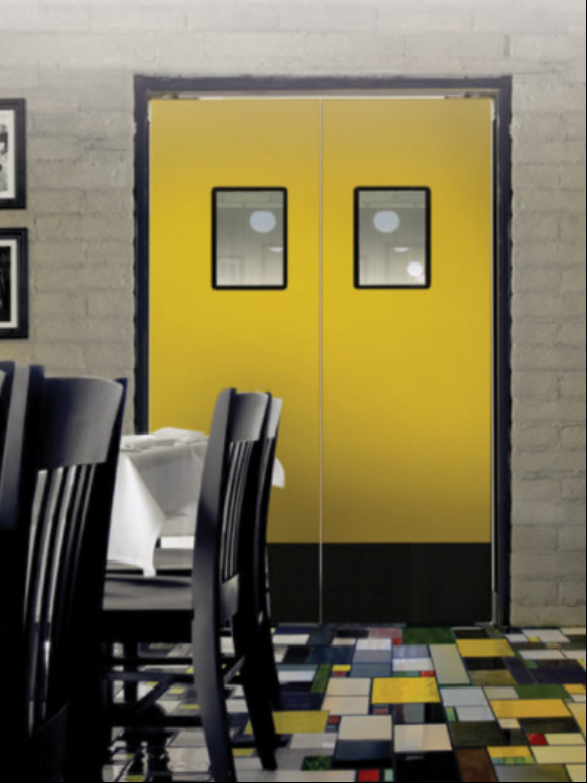
Traffic doors are an invaluable asset to any business. They provide a visual, sound, and environmental barrier, while also allowing for multi-directional openings. They are extremely durable and can withstand the wear and tear associated with high volume establishments.

Feeding America in 2026

There’s plenty of food in America; yet 48 million people in America (including 1 in 5 kids) still don’t have the food they need to thrive—that’s why we’re commemorating National Traffic Door Day by fundraising for Feeding America for our third year in a row.

Last year, you helped us provide 30,000 meals to people in communities across the US. This year, we aim to give more by giving you the opportunity, not only through generating pledge commitments via LinkedIn, but by donating directly Feeding America.

We Invite You to Take Action

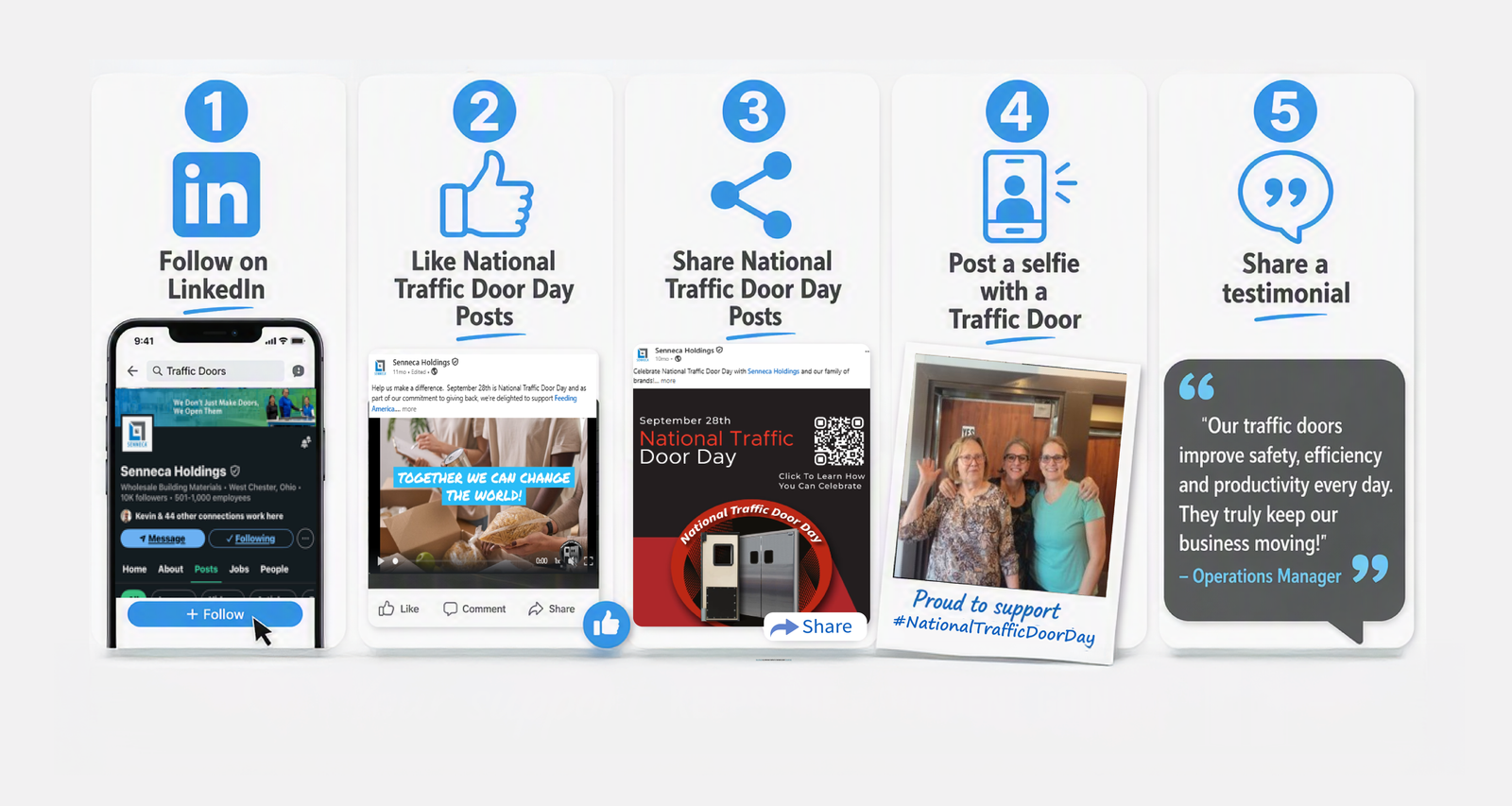
For every action taken below between September 16 – 30, 2026, we will donate $10 to Feeding America, and on September 28, we will DOUBLE our contributions for each action performed.

How to participate in National Door Day:
1. Follow Senneca on LinkedIn.
2. Like National Traffic Door Day posts.
3. Share National Traffic Door Day Posts.
4. Post a selfie with a Traffic Door.
5. Share a testimonial.

How to Participate in National Traffic Door Day

Following Senneca on LinkedIn keeps you up to date on the 2026 National Traffic Door Day campaign as well as the latest Senneca news, promotions, and events year round!

In addition to generating a $10 pledge for each National Traffic Door Day post, liking our posts will raise visibility for other visitors which can multiply your impact.

Sharing a NTDD post adds $10 to the total donation and helps your connections see that Feeding America is important to you

Do you love your doors? Show the world that they make a difference by snapping a selfie in front of your favorite traffic door.

Traffic doors keep employee areas out of sight and out of mind but National Traffic Door Day is a great opportunity to give these reliable doors the spotlight while providing 100 meals for people in need.

Reliable Solutions to Suit All Applications

Selecting the right doors is crucial for restaurant/retail success and safety. We offer durable cooler and freezer doors, secure entrance/exit doors, and swinging traffic doors to meet your needs. Our reliable, long-lasting doors come in various styles. Custom solutions and expert installation are available. We deliver quality and expertise that supports your business operations seamlessly.

CHASE DOORS


The most recognized manufacturer of high-quality made-to-order specialty door systems, dedicated to delivering custom-made solutions tailored to specific needs.

ELIASON


Commercial, restaurant, and retail double acting traffic doors and frames that facilitate seamless movement, enhance productivity, and create a safer work environment.

CURTRON PRODUCTS


Trusted partner for restaurants and food service providers seeking to streamline operations, reduce energy costs, and uphold the highest standards of cleanliness and safety.

News

Major Expansion

What’s New?

  • ✅ Expanded FBC and TDI –approved hardware   
  • ✅ Each building code has its own approved hardware set   
  • ✅ 400–900% increase in available hardware options   
  • ✅ More manufacturers to choose from—without compromising compliance.

Existing Hardware: Corbin Russwin, Dorma, Hager, Schlage, Von Duprin, Design Hardware, and Falcon

Expanded Hardware Line: Schlage, Falcon, Von Duprin, Dorma, and Hager

New Hardware Additions: Best and Cal‑Royal

If you have questions or want to help selecting compliant hardware for your next project, our team is ready to help.

P: 866.452.1845 |  F: 910.452.1848 | [email protected]

News

Doors Across America

The Doors Behind America’s Greatest Places.

Our brand’s doors are more than functional—they are symbols of access, safety, welcome, and possibility. Across the U.S., doors play an unsung but essential role in the country’s most iconic places, from national landmarks to everyday community institutions.

Traffic/Impact Doors

keeping people moving behind the scenes in stadiums, restaurants, and busy workspaces across the country

Roll-Up Doors

showing up in stadium concourses, loading docks, and concessions where spaces open and close throughout the day

PVC Strip & Industrial Curtains

helping manage workflow and conditions in food processing plants and warehouse operations nationwide

Cold Storage Doors

supporting refrigerated spaces in food facilities and storage sites that keep supply chains running

Air Curtains

creating more comfortable entryways in high-traffic spaces like stadiums, restaurants, and warehouses

Sliding Fire & Service Doors

built into large facilities where safety and separation are part of daily operations

High Performance / Specialty Doors

used in fast-moving environments like food processing and high-volume distribution centers

Industrial Curtains & Partitions

shaping back-of-house and warehouse areas into functional, organized spaces

The Right Solution

From Coast to Coast — We’ve Got It Covered

Behind stadium cheers, airport terminals, national landmarks, and everyday spaces, Senneca doors are quietly doing their job—keeping things moving, protected, and running smoothly. Different places, one purpose—designed to keep America moving.

News

Door Engineering: Cheers to 60 Years

Cheers to 60 Years

Door Engineering proudly celebrates 60 years of innovation, craftsmanship, and trusted performance in specialty engineered door systems.

Founded in 1966, Door Engineering has grown from a small Minnesota workshop into a global leader serving industrial, commercial, aviation, and specialized environments. Over six decades, we’ve delivered more than 9,000 doors, including 4,000+ four‑fold doors in over 1,000 fire stations nationwide, supporting millions of emergency responses each year.

As part of the Senneca™ family of brands, Door Engineering remains committed to advancing innovation while maintaining the craftsmanship and reliability that have defined us for 60 years—and will continue to guide us into the future.

Thank you for trusting Door Engineering as your partner. We look forward to continuing to support your projects with engineered solutions that protect, connect, and perform.

News

Congratulations to Jason DiLeo, Newly Certified DHI Instructor

Senneca is thrilled to congratulate Jason DiLeo, Vice President of Sales, on achieving an incredible milestone – becoming a DHI Instructor with the Door & Hardware Institute (DHI)!

This accomplishment represents far more than a title, it reflects professional respect, mastery, and recognition as someone qualified to teach, mentor, and elevate others within our industry. DHI instructors are selected from experienced professionals who volunteer their time to share their expertise and support the next generation.

With more than 20 years of industry experience, Jason brings tremendous depth to the classroom. His passion for the door and hardware industry, combined with his dedication to teaching, patience in guiding others, and the fulfillment he finds in watching people grow and succeed, makes him an exceptional fit for this honor. His ability to clearly communicate complex concepts, invest in future professionals, and draw from extensive real‑world experience will continue to make a meaningful and lasting impact.

Congratulations, Jason! Here’s to shaping the next generation of door and hardware professionals.

News

Lead Lined Flush Doors & Frames in Houston, TX

NOW AVAILABLE

HMF Express Houston
3898 Distribution Blvd.
Houston, TX 77018
(910) 452-1845

HMF Express Las Vegas 
5675 E. North Belt Road
Ste 130-150 N
Las Vegas, NV 89115
(866) 452-1845

HMF Express Wilmington
2501 Northchase Parkway SE
Wilmington, NC 28405
(910) 452-1845

P: 866.452.1845  | [email protected] | www.hmfexpress.com

News

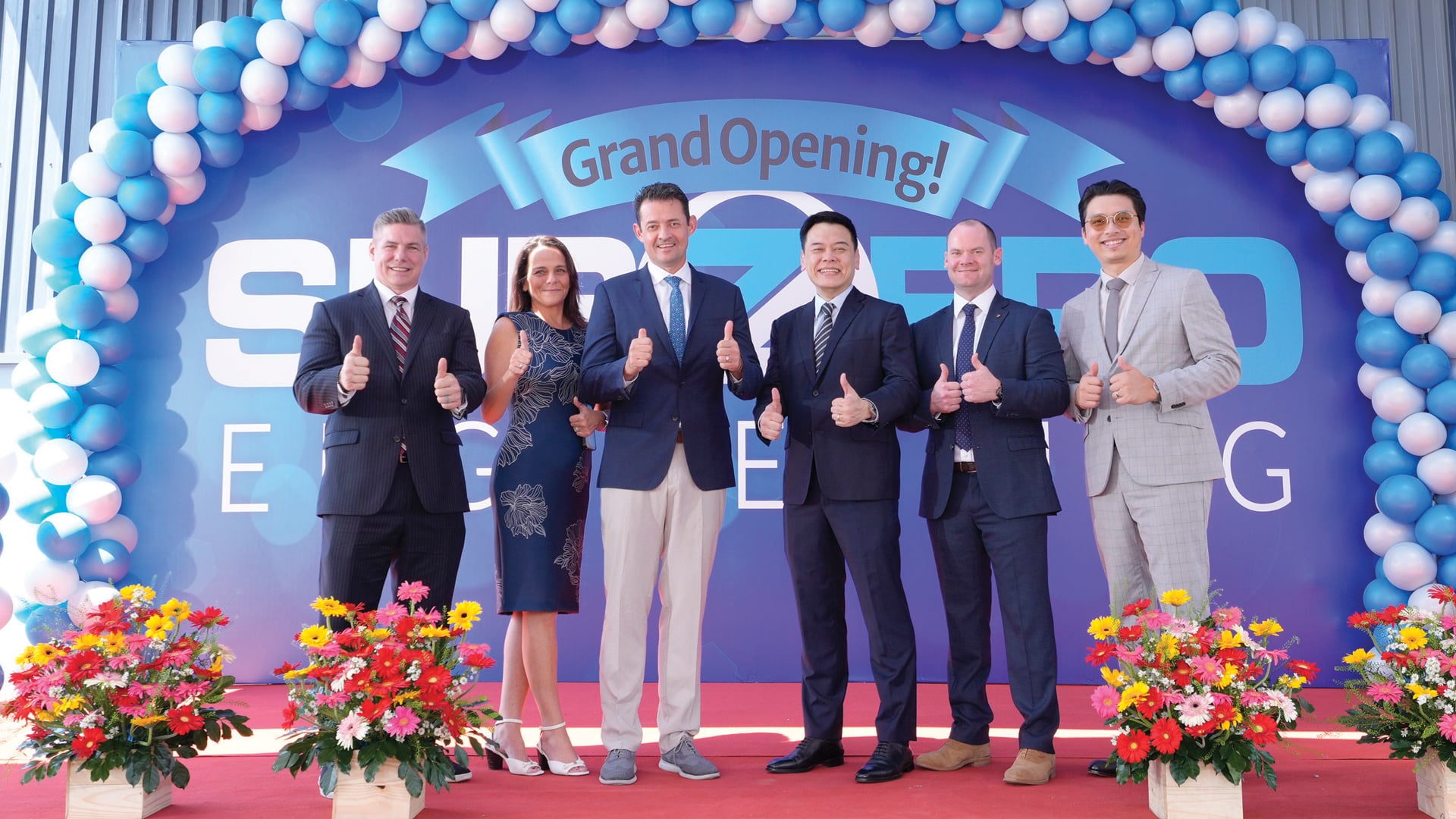
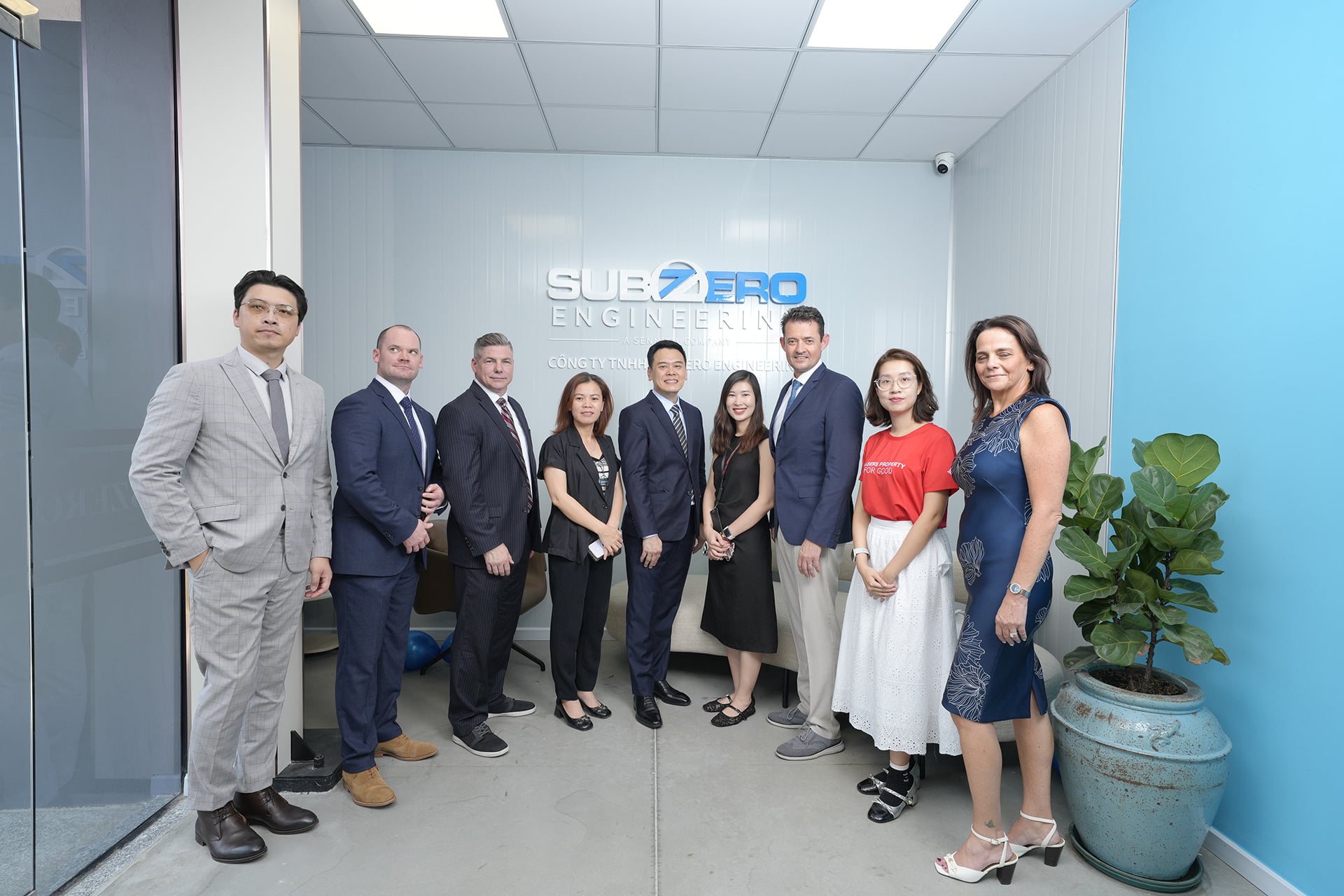
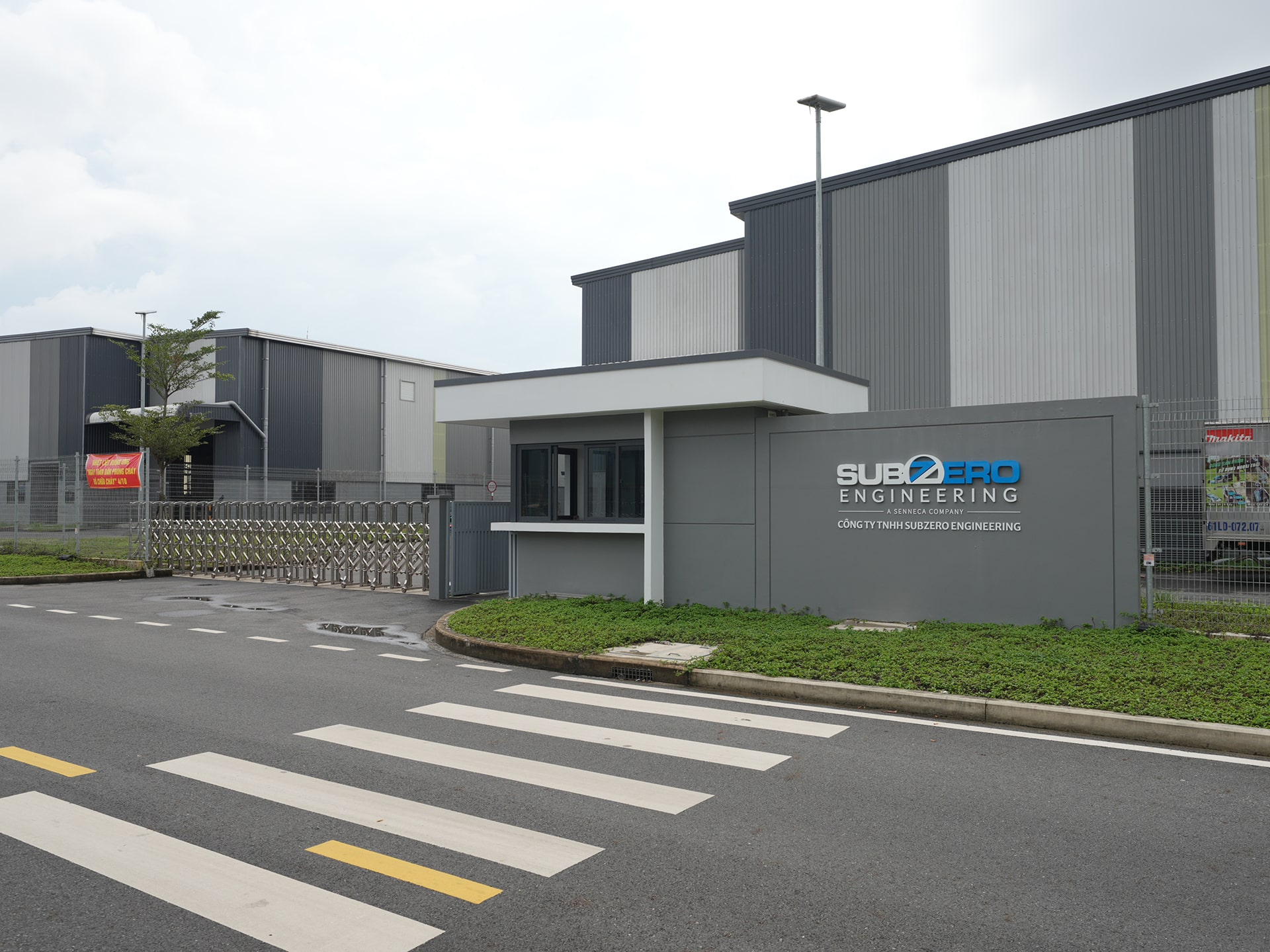
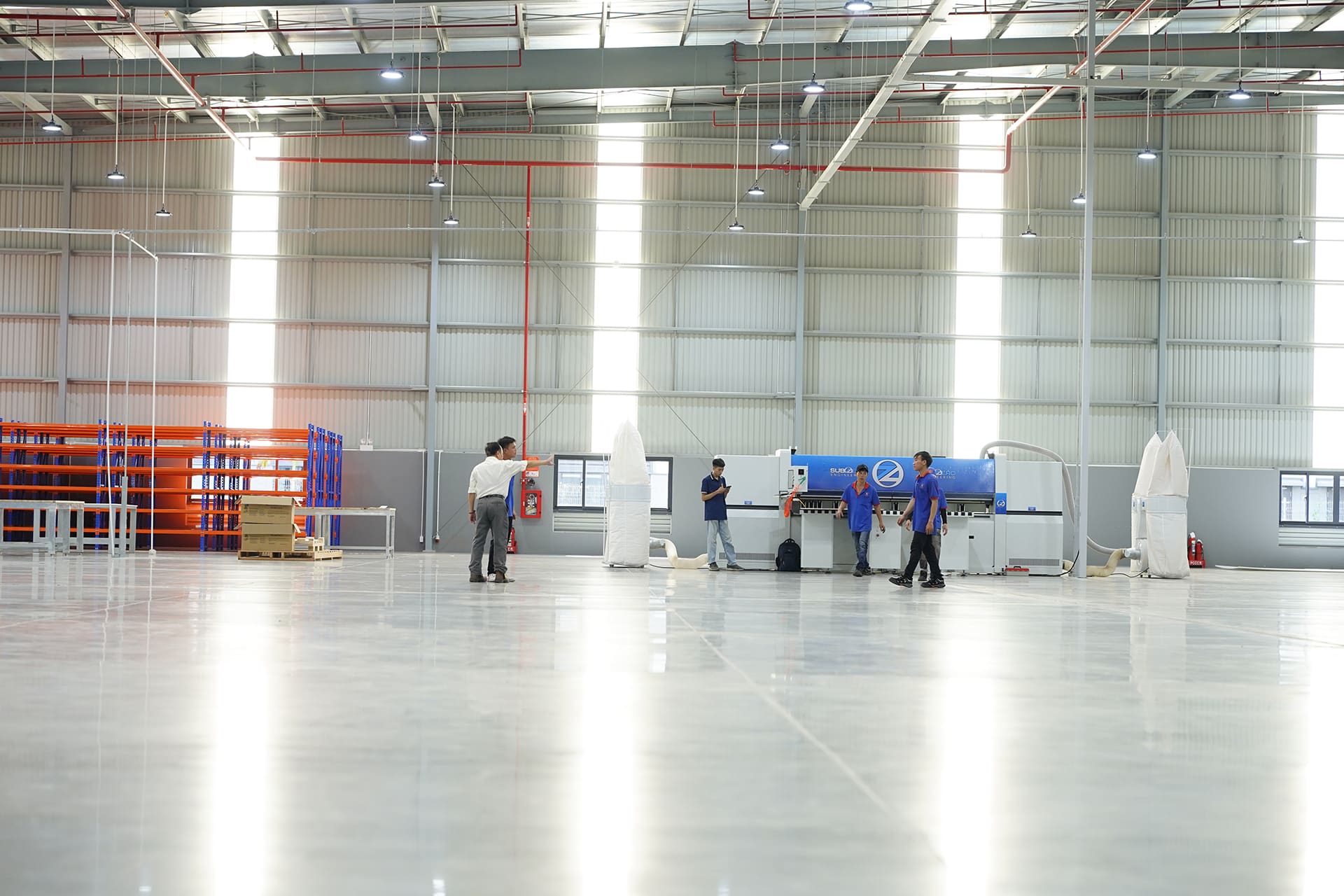
Subzero Engineering Strengthens Global Reach with Launch of New Vietnam Facility

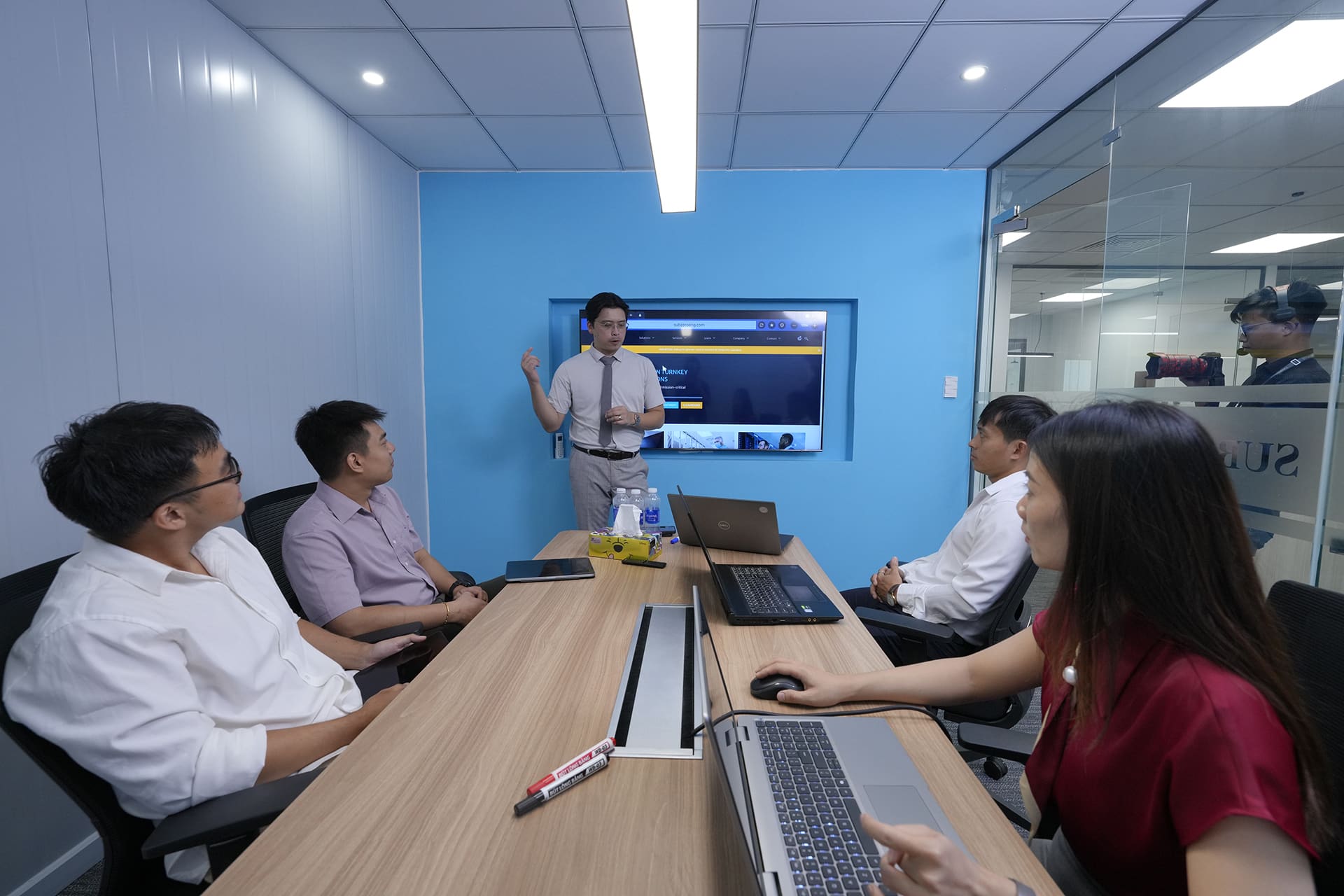
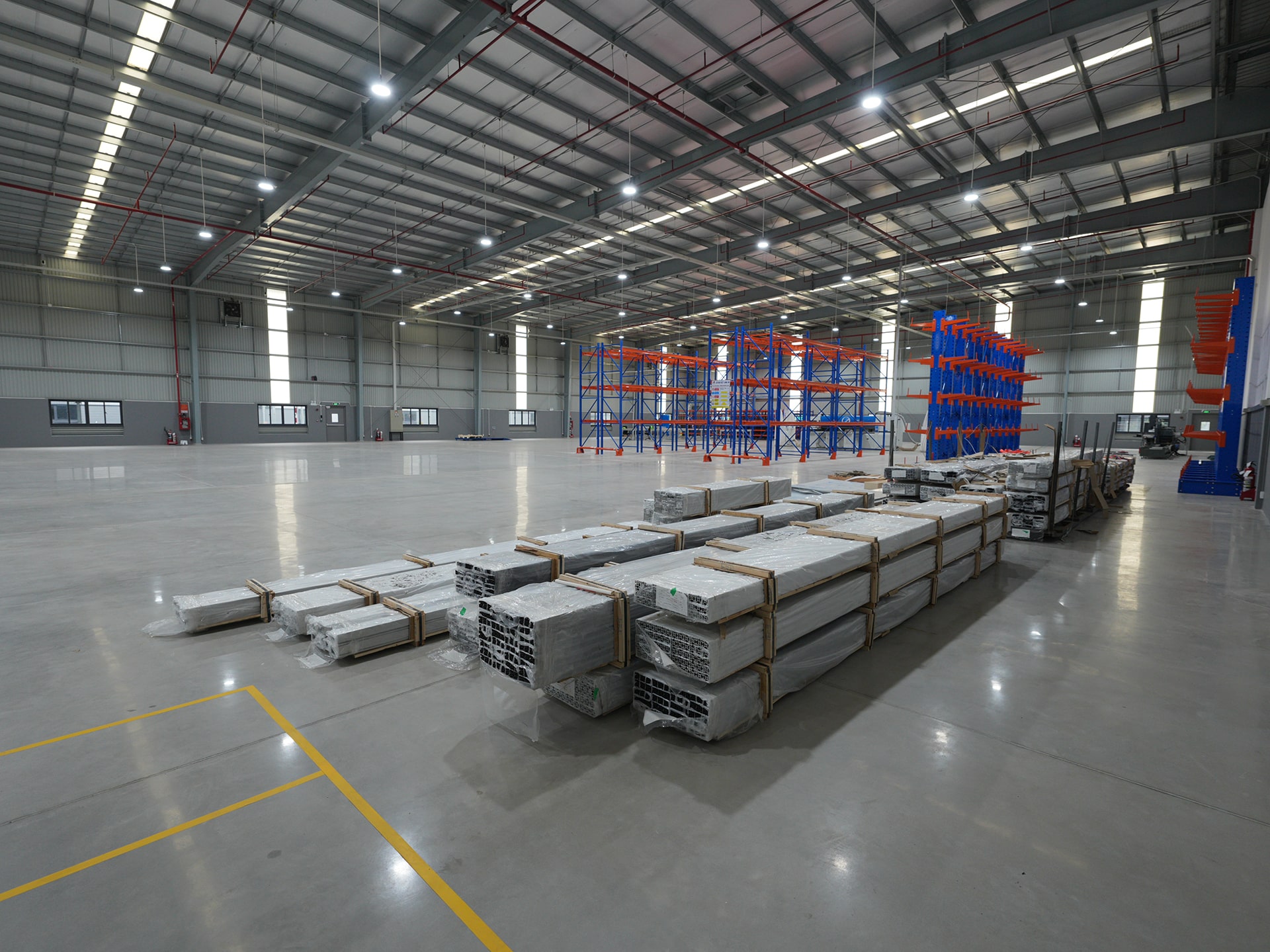
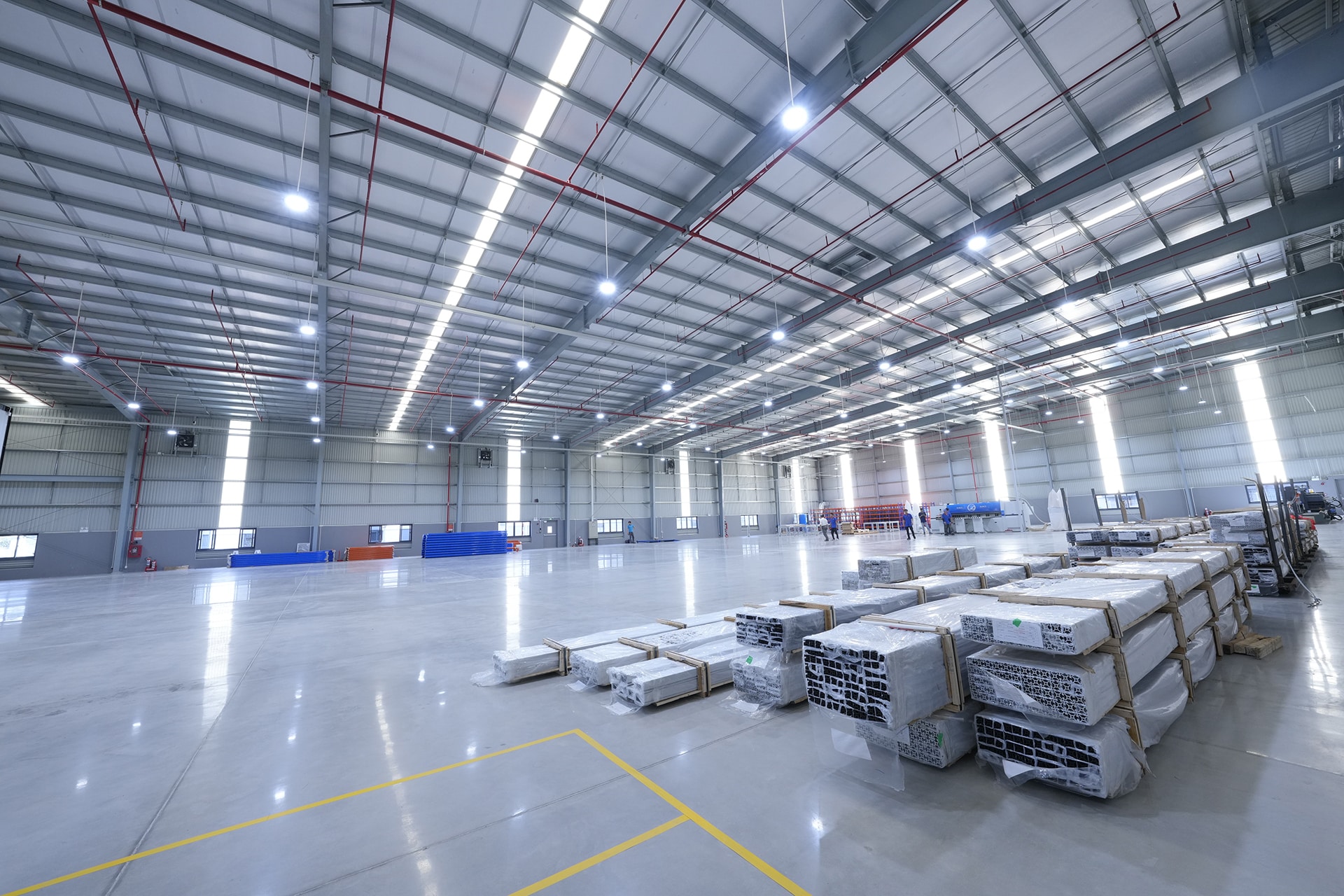
Subzero Engineering, global leader in data center containment and cleanroom solutions, is expanding its global footprint with the launch of a major new facility in Ho Chi Minh City, Vietnam.

Serving as a central hub for Subzero’s Asia-Pacific operations, the facility represents a significant step in the company’s strategic global expansion and underscores its long-term commitment to the APAC region.

“This expansion is about more than infrastructure — it’s about proximity to our partners, agility in the supply chain and speed to market,” said Midge Pan, General Manager, APAC – Subzero Engineering. “Vietnam offers a unique combination of talent, resilience and strategic location that enables us to meet APAC’s growing demand for cutting-edge digital infrastructure.”

A Center of Excellence for Manufacturing and Innovation

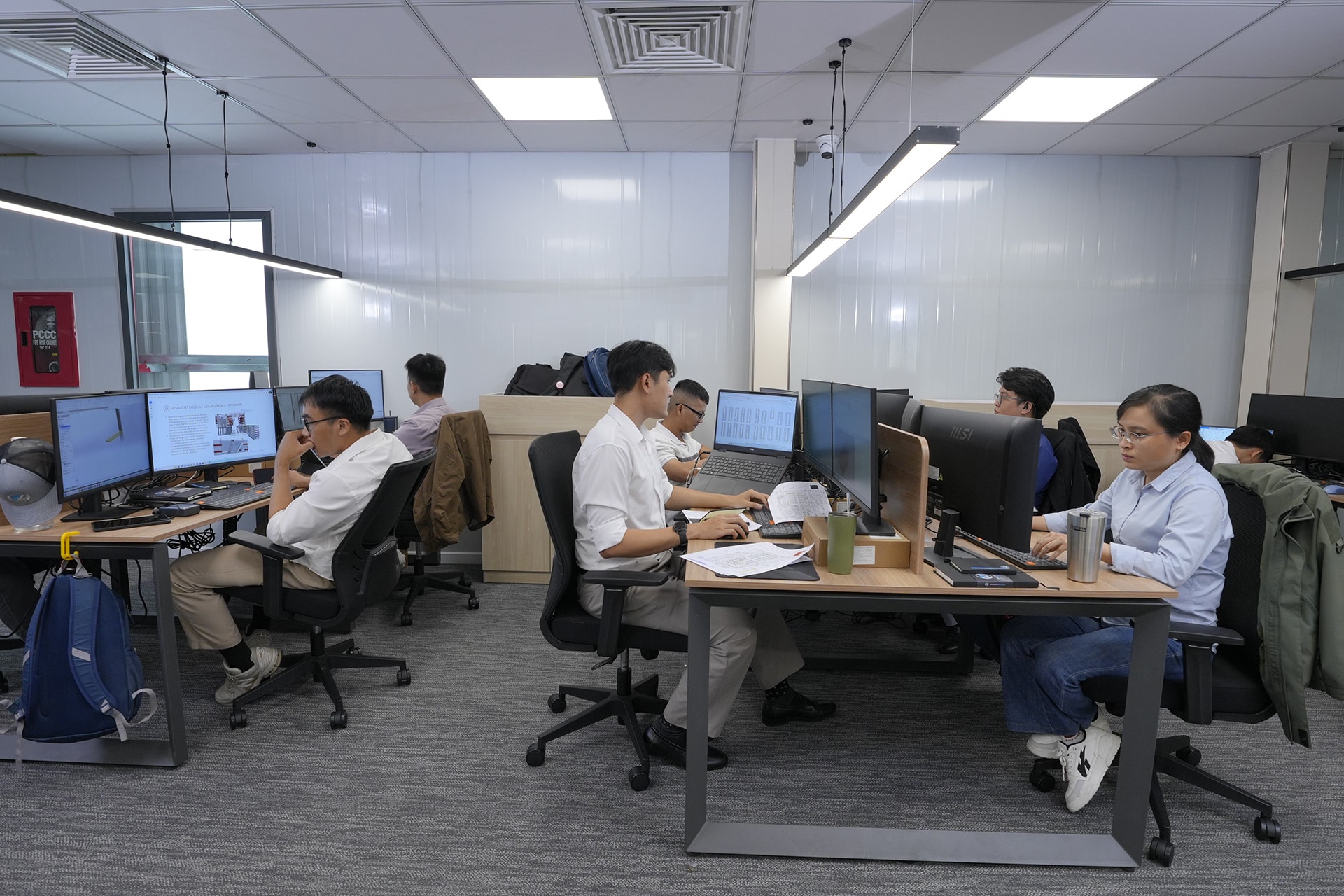
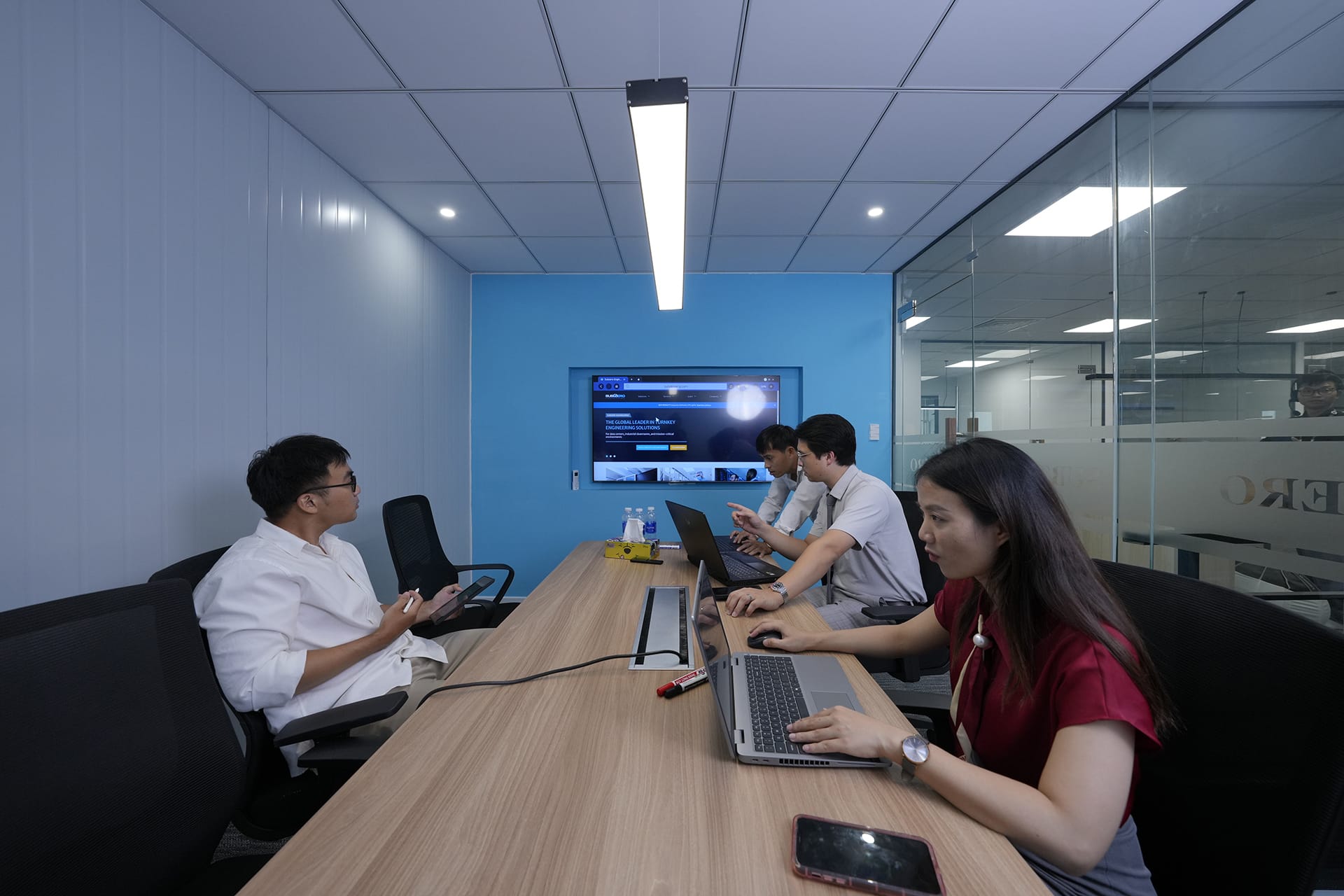
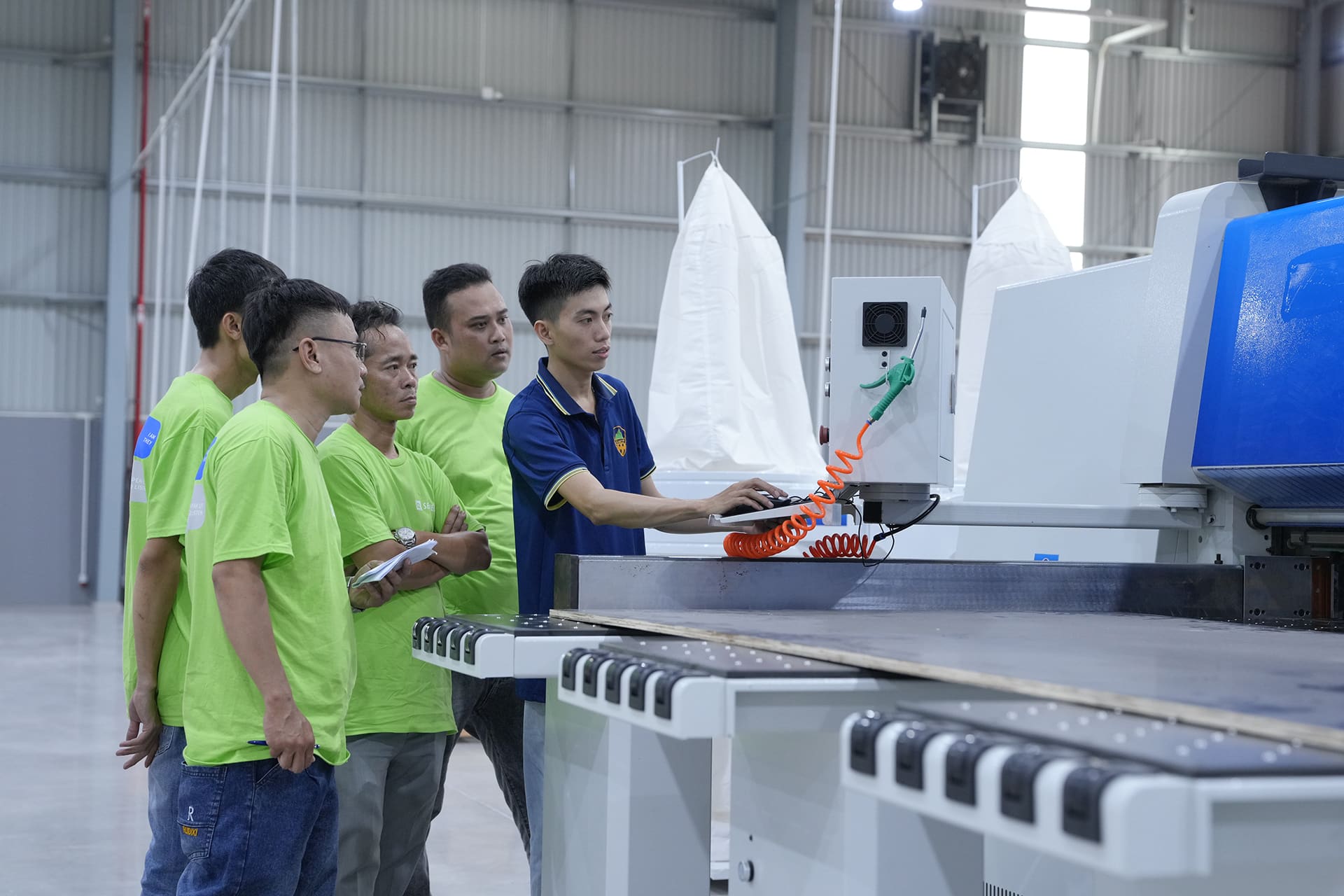
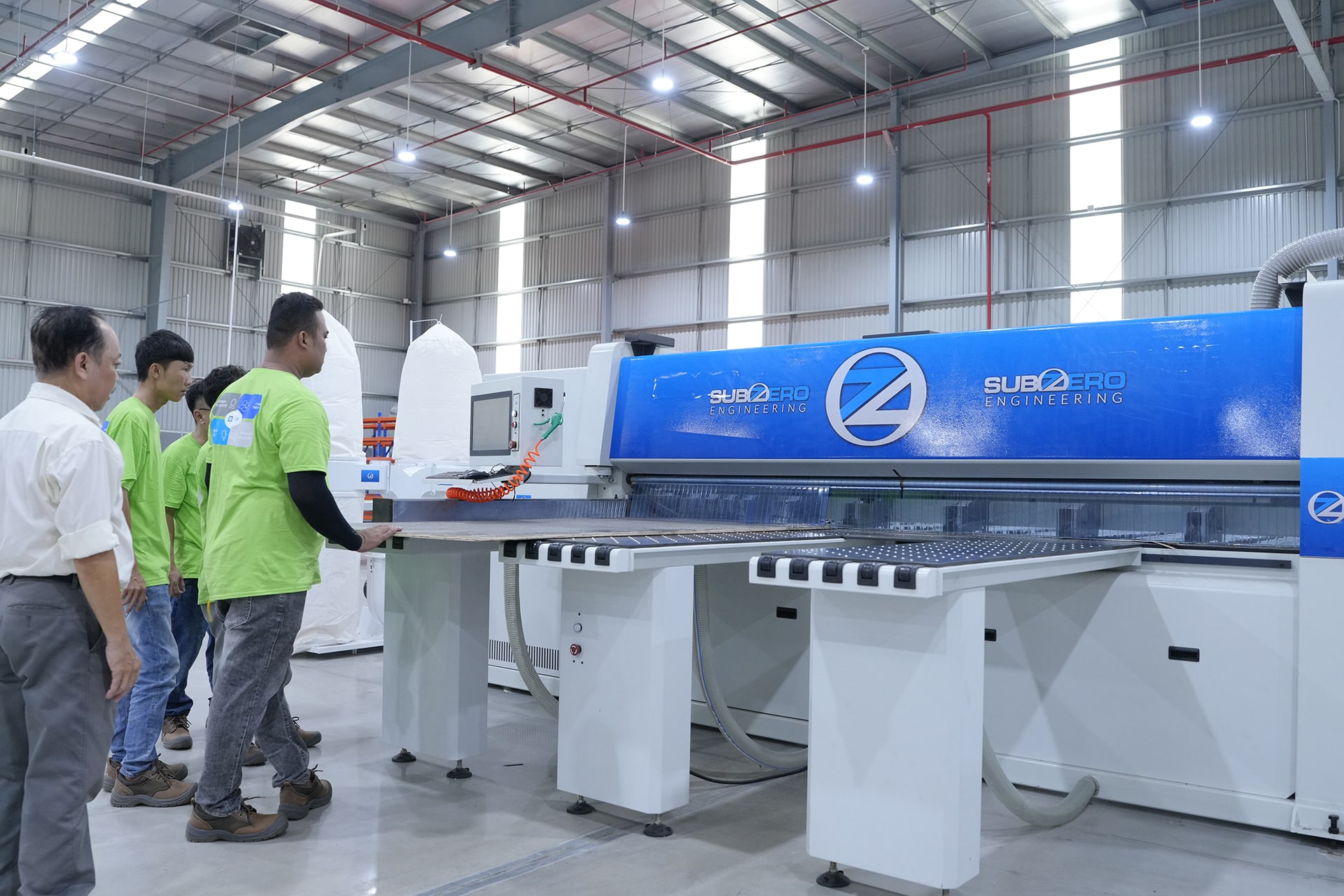
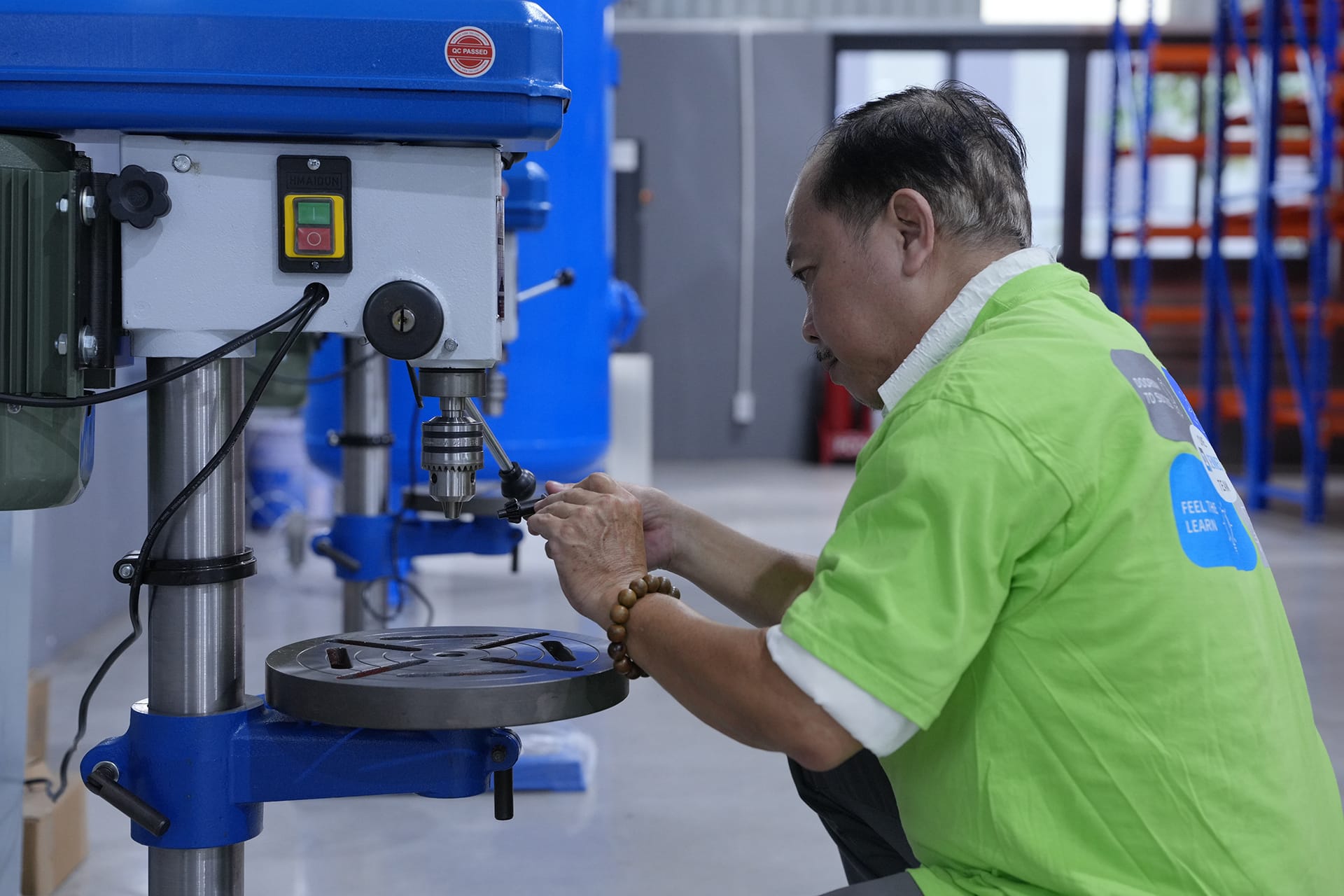
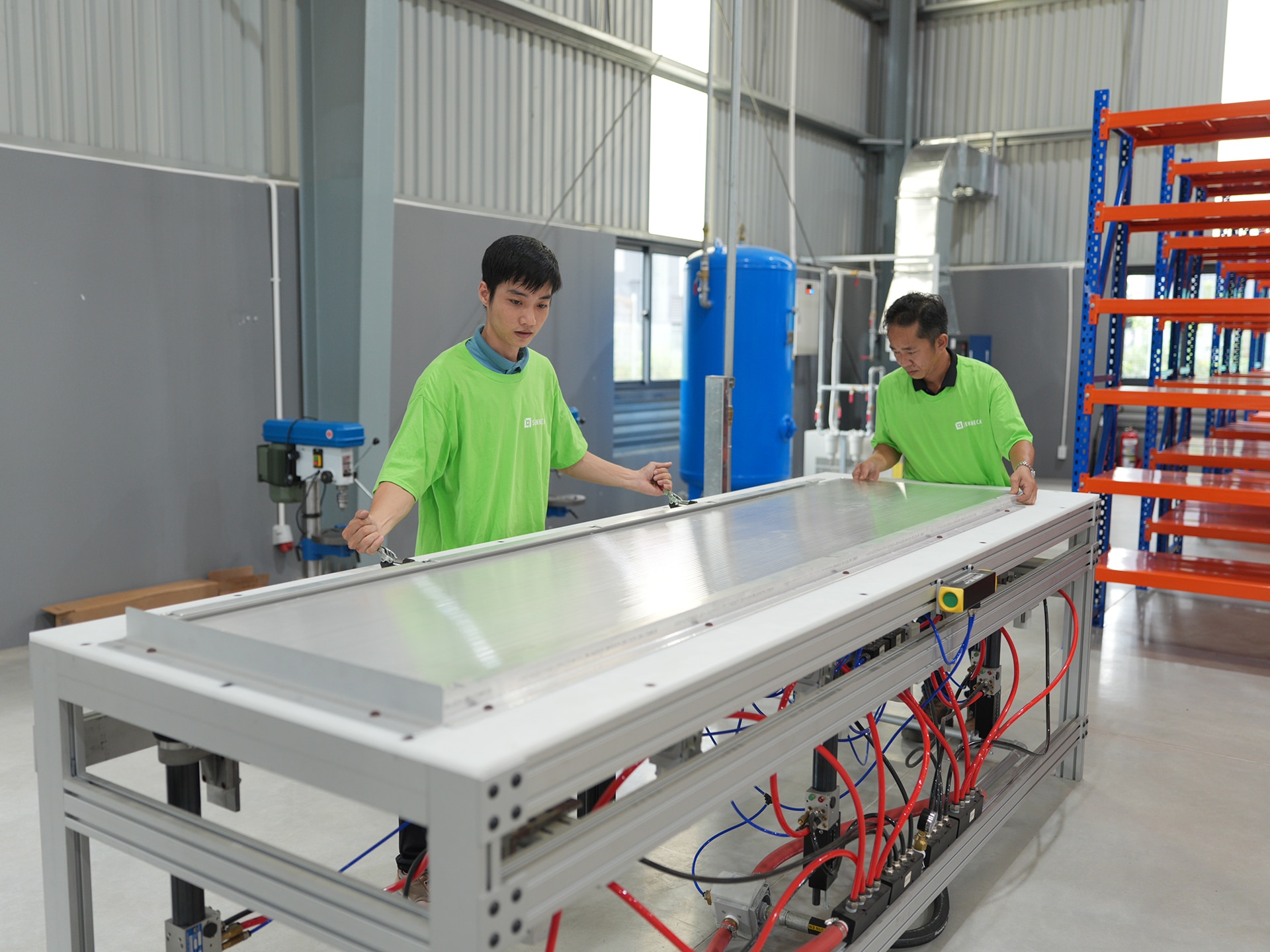
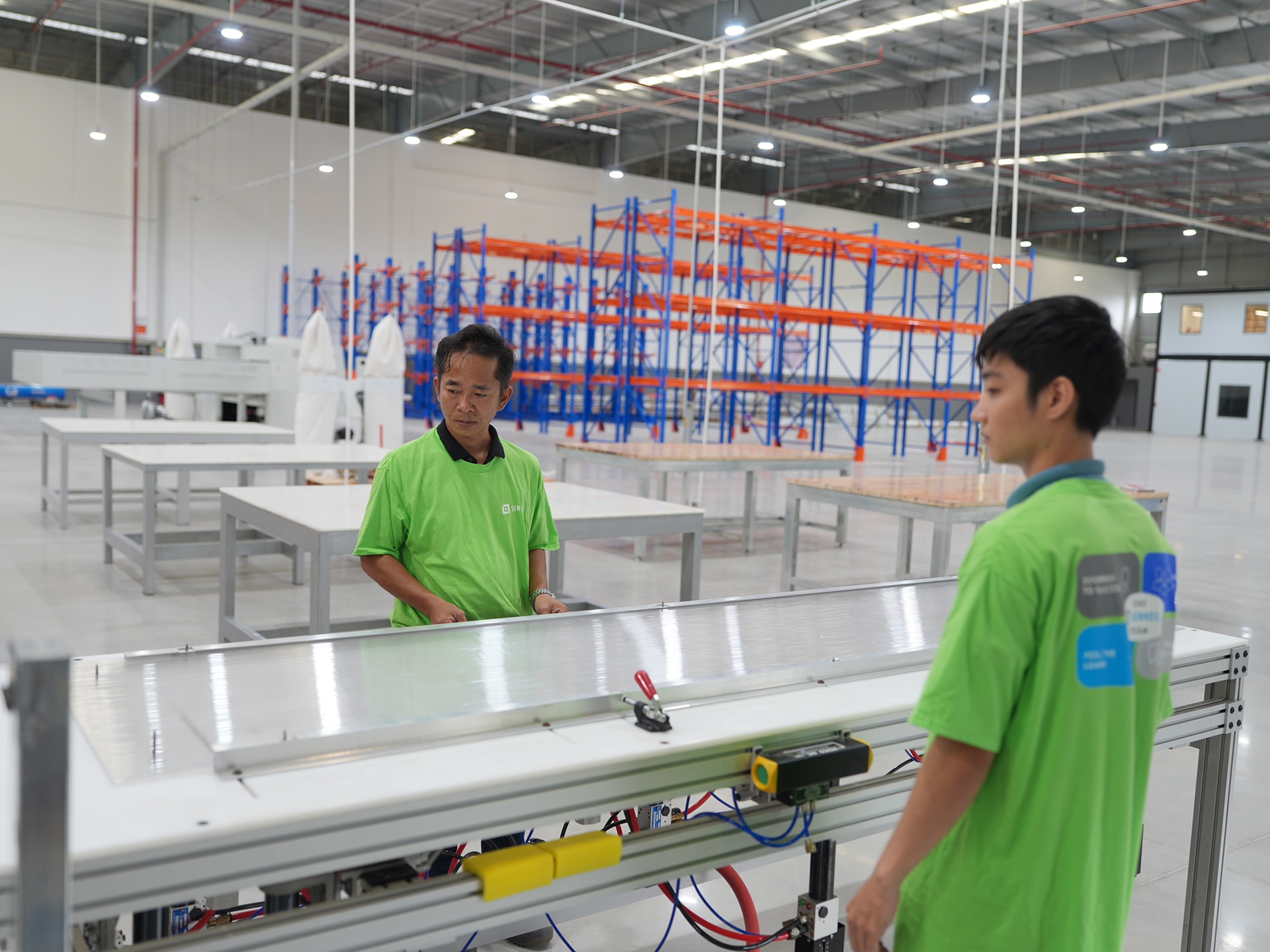
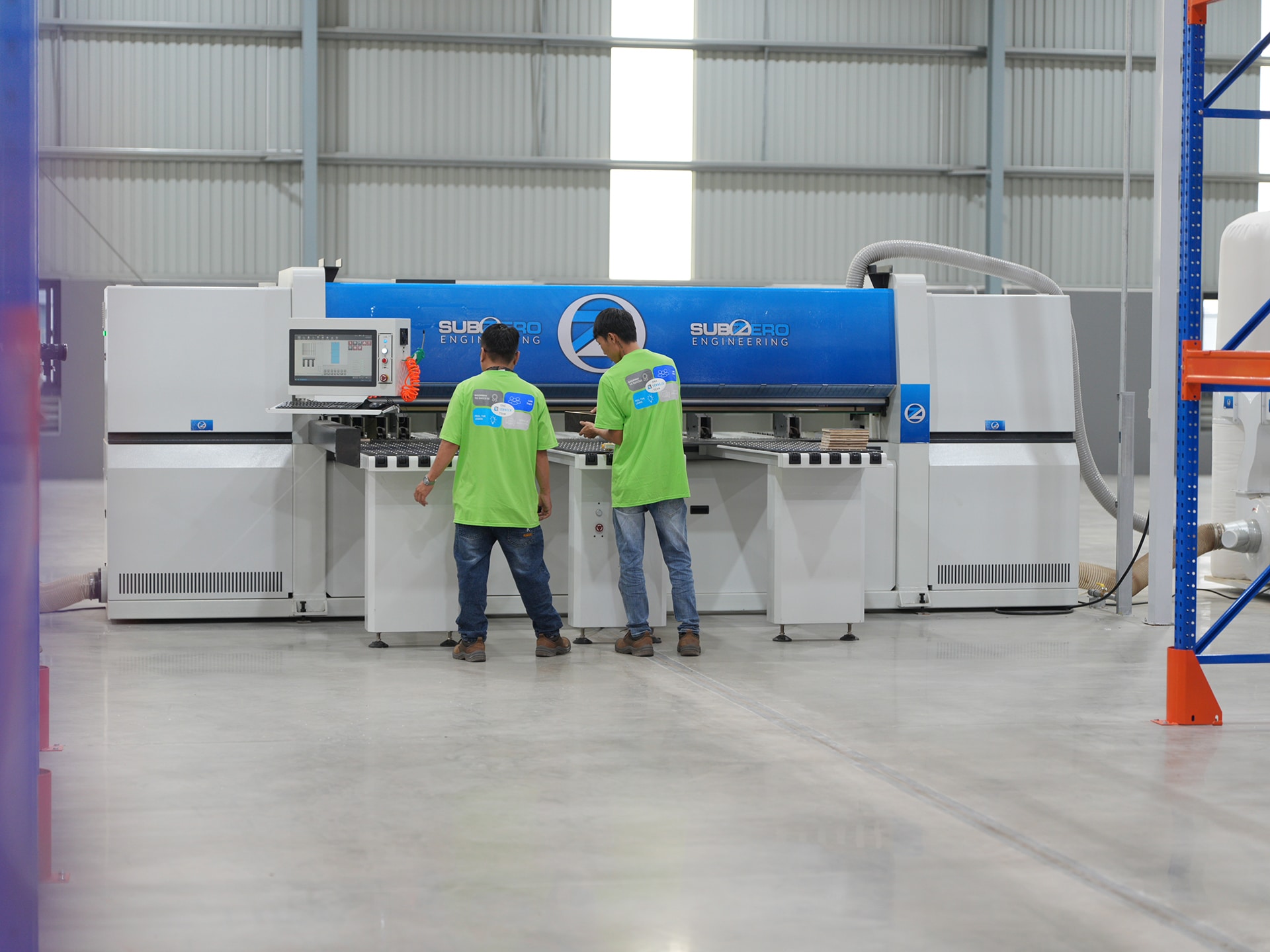
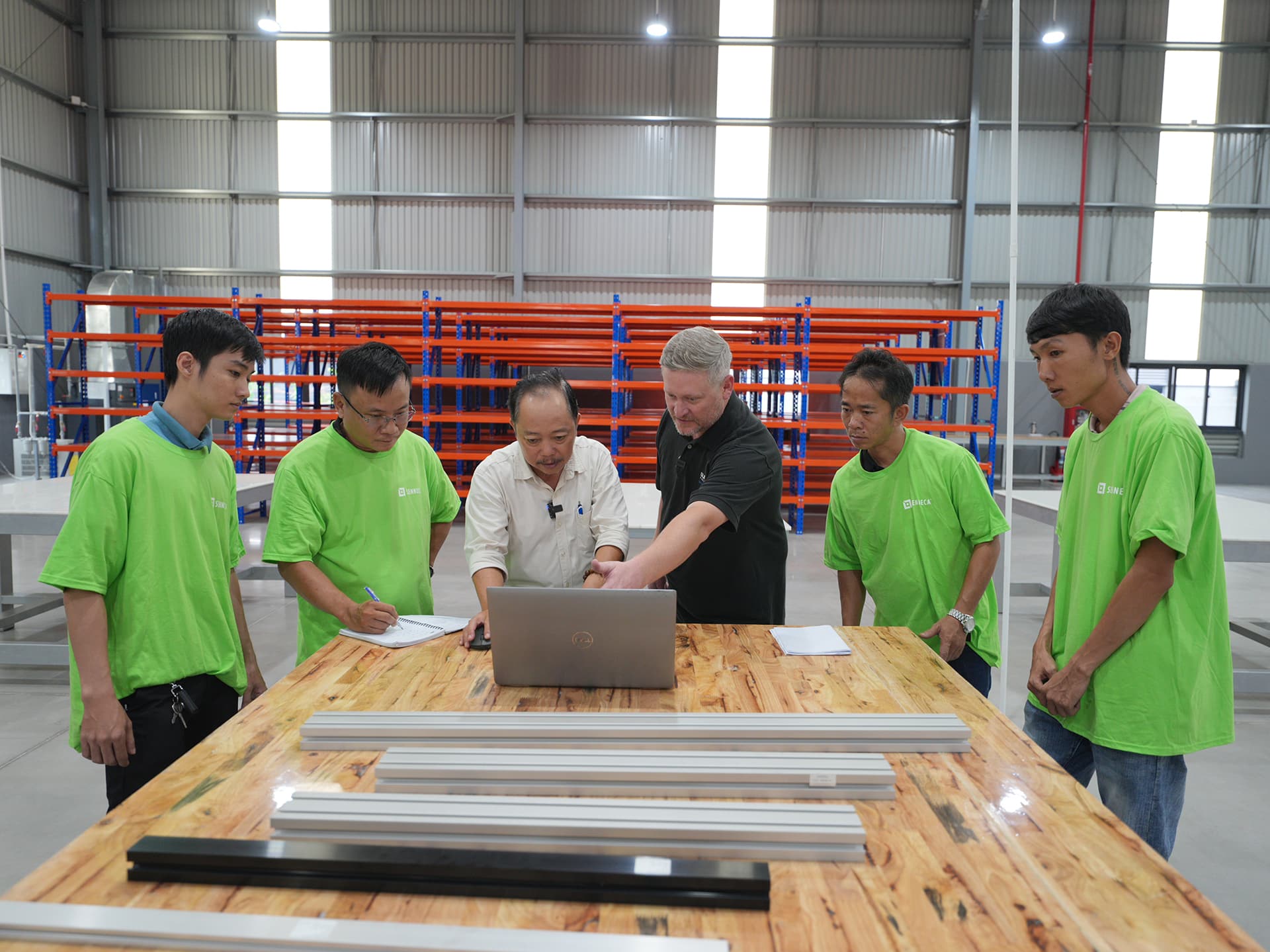
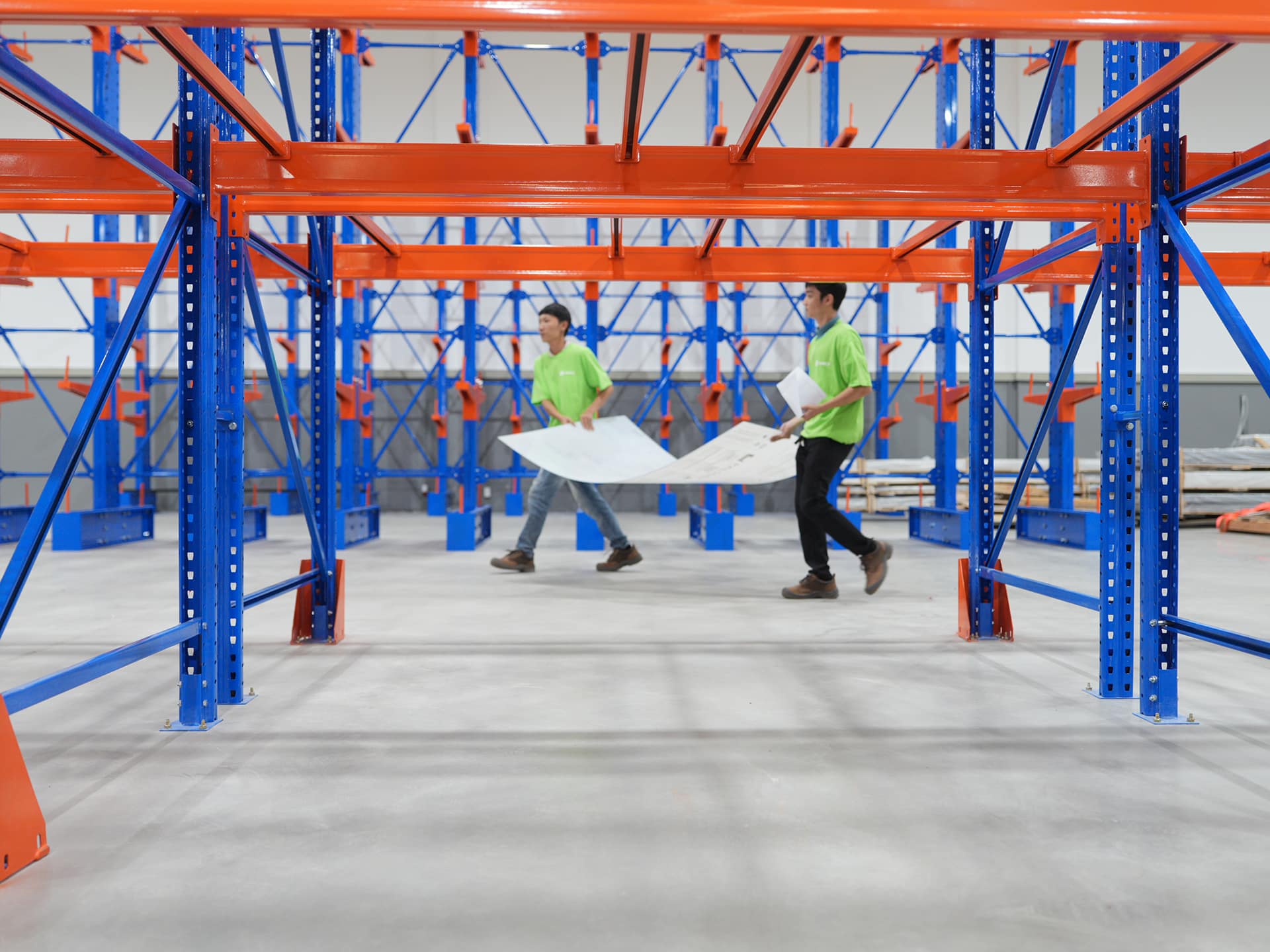
The Ho Chi Minh City facility will function as a global center of excellence supporting the company’s global Application Engineering teams. The site will house manufacturing, design, research and development operations, and produce Subzero’s suite of solutions, including hot and cold aisle containment systems, aisle frames, modular enclosures and airflow management technologies.

The addition of a dedicated R&D space will also accelerate product innovation tailored for APAC’s rapidly evolving data center landscape – particularly solutions optimized for AI, high-density computing and sustainability.

“This new facility is a strategic cornerstone in Subzero’s global vision — designed to integrate localized innovation with global scale.” said Shane Kilfoil, President of Subzero Engineering. “By establishing a center of excellence in Vietnam, we’re not just expanding our footprint; we’re embedding agility, resilience, and sustainability into the core of our operations. This allows us to respond faster to APAC’s dynamic market demands while strengthening our worldwide supply chain and advancing our mission to lead the future of intelligent, energy-efficient data center infrastructure.”

Investing in People and the Future

Subzero Engineering’s expansion demonstrates confidence in Vietnam’s knowledge economy. The facility will generate over 50 highly skilled positions across engineering and technical functions, with opportunities for software engineers, R&D professionals, and advanced factory specialists.

Plans are also underway to develop partnerships with local universities and technical institutes, creating internship and training opportunities to feed a sustainable pipeline of skilled talent.

Built for Sustainability

Subzero is establishing its APAC operational hub in Vietnam within a high-performance, sustainability-advanced facility designed to minimize environmental impact. The site incorporates large-scale solar energy generation, energy-efficient systems, and sustainable building practices, enabling low-carbon operations from day one. By choosing this future-ready infrastructure, Subzero is aligning its regional footprint with its global environmental goals, demonstrating that operational excellence and ecological responsibility go hand in hand.

“This facility represents our long-term commitment to sustainable innovation and local impact across the APAC region,” said Pan. “We’re building a future-ready operation that combines environmental responsibility with engineering excellence, enabling us to deliver smarter, more efficient solutions faster. By investing in local talent and sustainable practices, we’re not just expanding our footprint—we’re raising the standard for what global operations can be in the data center industry.”

A Global Vision Made Local

The Vietnam facility aligns with Subzero Engineering’s vision of being a truly global company, not only present in key markets but embedded within them. With operations now spanning North America, Europe and APAC, Subzero is ideally positioned to support the next generation of data centers with consistent quality, localized expertise and rapid responsiveness.

“This new facility is a tangible expression of our commitment to Asia-Pacific and our belief in Vietnam’s role in shaping the future of digital infrastructure,” added Kilfoil. “It’s an exciting new chapter for our global story.”

Subzero Engineering specializes in providing turnkey, precision-engineered data center containment solutions that are designed for industry-leading functionality and scalable fast deployments. With a focus on sustainability, our solutions are built to provide maximum efficiency, minimize downtime, and reduce energy consumption. Our team of experts works closely with clients to understand their unique needs and requirements, and we pride ourselves on delivering customized solutions that exceed expectations. Whether you’re looking for a new data center build or an upgrade to an existing facility, our turnkey solutions are designed to deliver exceptional results. Since 2005, we have been containing critical environments and providing exceptional solutions to the world’s most demanding technology companies.

Watch a Video Tour of the APAC Facility →

News

From Traffic Doors to Cold Chain Innovation

From Traffic Doors to Cold Chain Innovation

Hear Glen Oltmanns share Senneca’s journey on the Cool Times Podcast!

At Senneca, innovation in the cold chain industry is fueled by the expertise and leadership of our team.

Our own Vice President, OEM Sales, Glen Oltmanns, recently joined the Cool Times Podcast to share his decades of experience and the evolution of Senneca’s diverse portfolio—from the early days of traffic doors to today’s high-performance insulated solutions.

Glen’s conversation highlights how Senneca has grown into a single source for cold chain solutions, while weaving in memorable stories from job sites as unique as bacon factories and naval islands. Listeners will also enjoy his candid reflections on California traffic, foam chemistry, and his unexpected role as Senneca’s “company historian.”

🎧 Tune in to hear how experience, adaptability, and innovation continue to shape Senneca’s journey in the cold chain industry.

News

Door Engineering gets Firehouse Labs Seal of Approval: FF30 & FF300 Doors

Door Engineering’s FF30 and FF300 doors have been featured in a comprehensive review by Firehouse Magazine. This in-depth article highlights the superior design, durability, and safety features that set our doors apart in the industry. The FF30 and FF300 models are engineered to meet rigorous fire protection standards, providing reliable performance in critical situations.


FF30 and FF300 four-fold apparatus bay doors deliver what fire stations need most: durability, low maintenance, and advanced safety. With customizable designs, quick operation, manual backup for outages, and integration with station alerting systems, these doors are built for reliability and long-term value. Firehouse Labs calls them “iconic-looking and extremely reliable”—and firefighters agree.

✅ Low lifetime cost
✅ Safety-first design
✅ Custom options for any station

Firehouse Magazine’s evaluation underscores our commitment to quality and innovation in fire door solutions. We invite you to read the full review to gain valuable insights into the benefits and technical specifications of these products. To access the article, please visit the following link: https://editions.mydigitalpublication.com/publication/?i=855964&p=116&view=issueViewer.

Chase Doors logo
ColdGuard logo
Curtron Products logo
Door Engineering logo
Eliason logo
HErcules logo
HMF Express logo
Saino logo
Subzero Engineering logo
TMI logo
Chase Doors logo
ColdGuard logo
Curtron Products logo
Door Engineering logo
Eliason logo
HErcules logo
HMF Express logo
Saino logo
Subzero Engineering logo
TMI logo
Chase Doors logo
ColdGuard logo
Curtron Products logo
Door Engineering logo
Eliason logo
HErcules logo
HMF Express logo
Saino logo
Subzero Engineering logo
TMI logo